Follow this blog

Walking with Me

The world will do the rest.

Tenerife, Where the Sun Knows It’s Being Watched

Tenerife taught me an important life lesson: never make evening plans, because the sun has its own show scheduled and it will not accept competition. Every single sunset felt like a personal performance – the sky slowly warming up in soft oranges and pinks, the ocean pretending not to care while absolutely stealing the spotlight, and me standing there like an idiot with a phone, whispering “just one more photo”. The volcanic coast turned into a dramatic stage, waves clapped politely against the rocks, and time slowed down in that dangerous way that makes you forget emails, deadlines, and what day of the week it is. Tenerife doesn’t do shy sunsets. It does bold, cinematic, end-of-the-world sunsets that make you believe this island was specifically designed for golden hours and quiet existential thoughts.

Red Roofs and Coffee Dreams: Getting Lost in Prague

I set out that morning with modest ambitions — just a quick stroll, maybe a coffee, definitely no existential revelations. But Prague had other plans. The moment I stepped onto Charles Bridge, the city hit me with its full medieval charm offensive — towers, statues, spires, and that smug little Vltava River reflecting it all like a show-off.

From above, the red rooftops rolled out like a sea of paprika, stitched together by narrow cobbled veins full of tourists pretending not to be lost. I climbed a tower (because apparently I hate my legs) and stared at a skyline so beautiful it felt photoshopped by history itself. Petřín Hill brooded in the distance, the TV tower poked the clouds, and I stood there thinking, “Yeah, okay, Prague, you win.”

By the time I came down, the streets glowed in that golden hour haze, and I found myself in a café, drinking something that tasted suspiciously like happiness. Prague doesn’t just show you sights — it traps you in a daydream made of rooftops, riverlight, and the quiet conviction that you’ll definitely be back.

Benidorm: Sun, Sand, and Two Meters of Personal Space

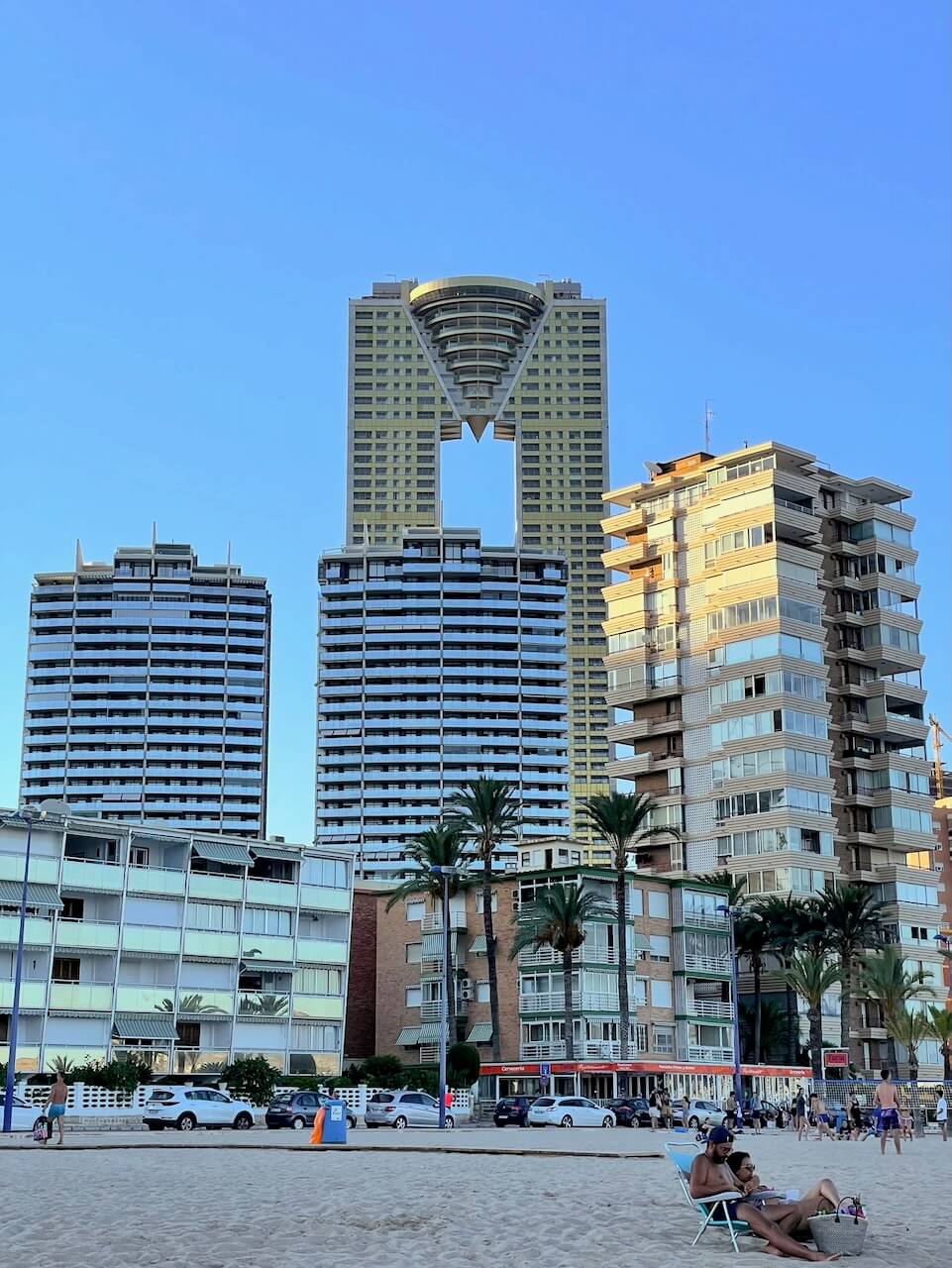
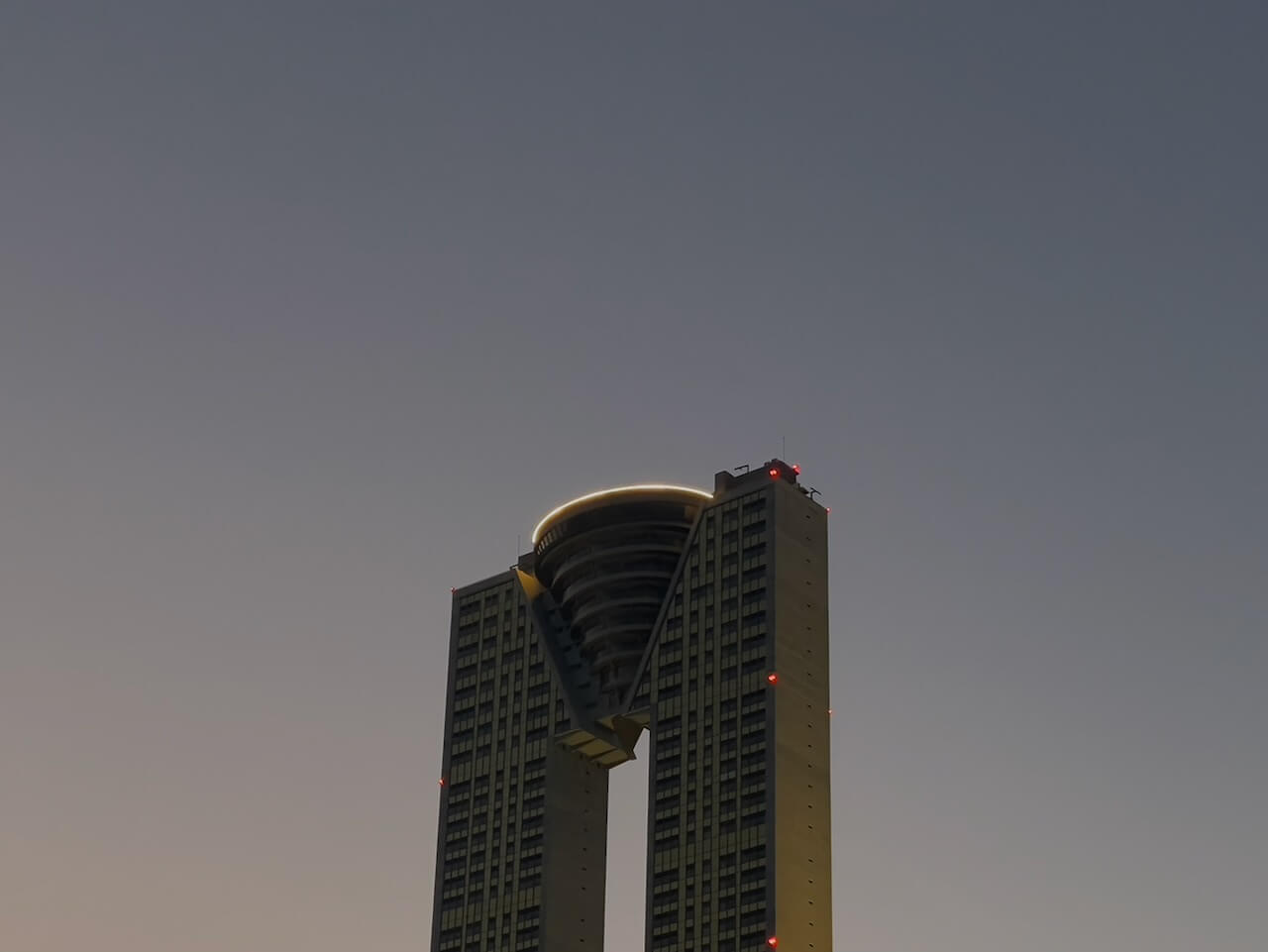
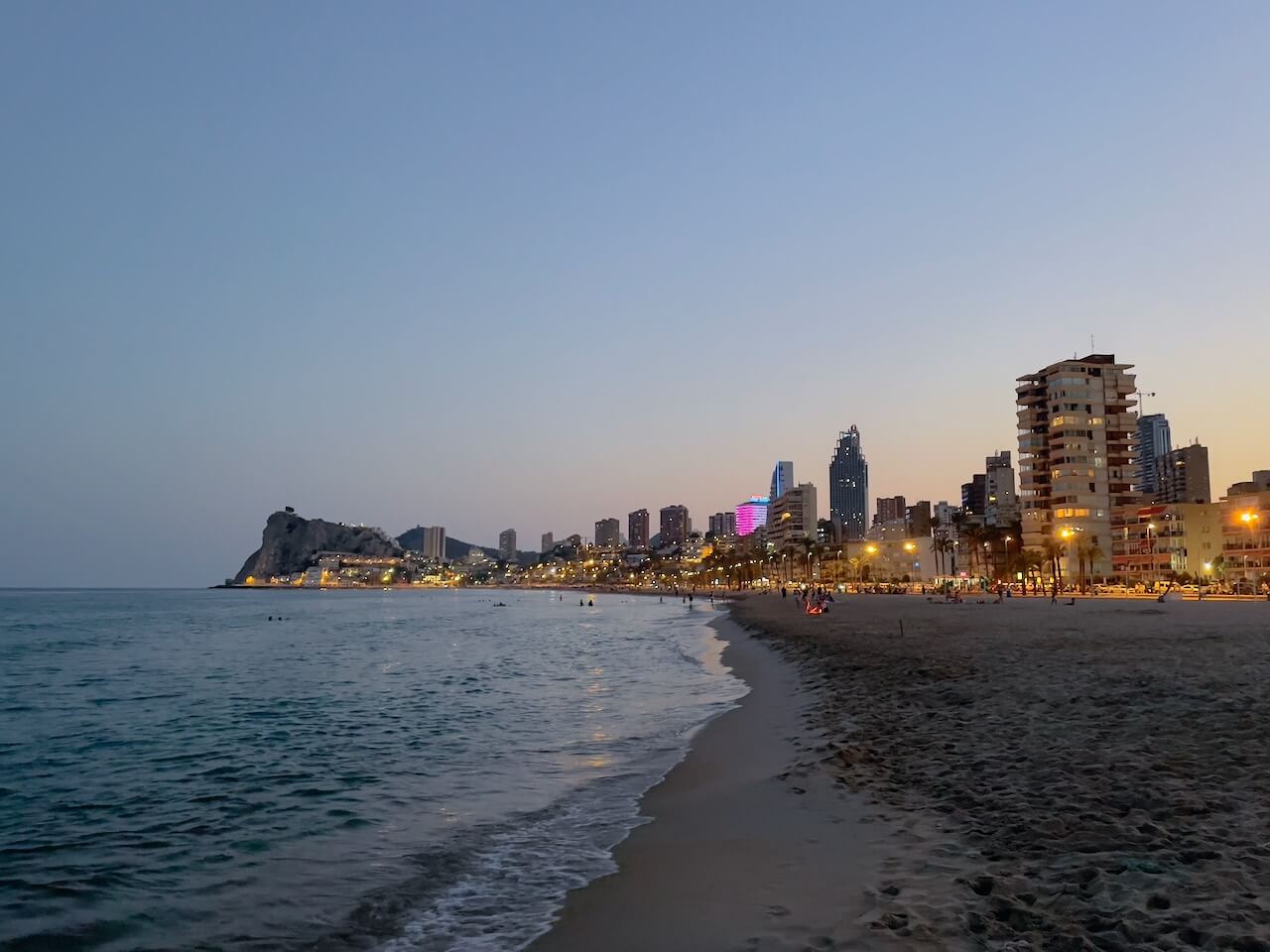
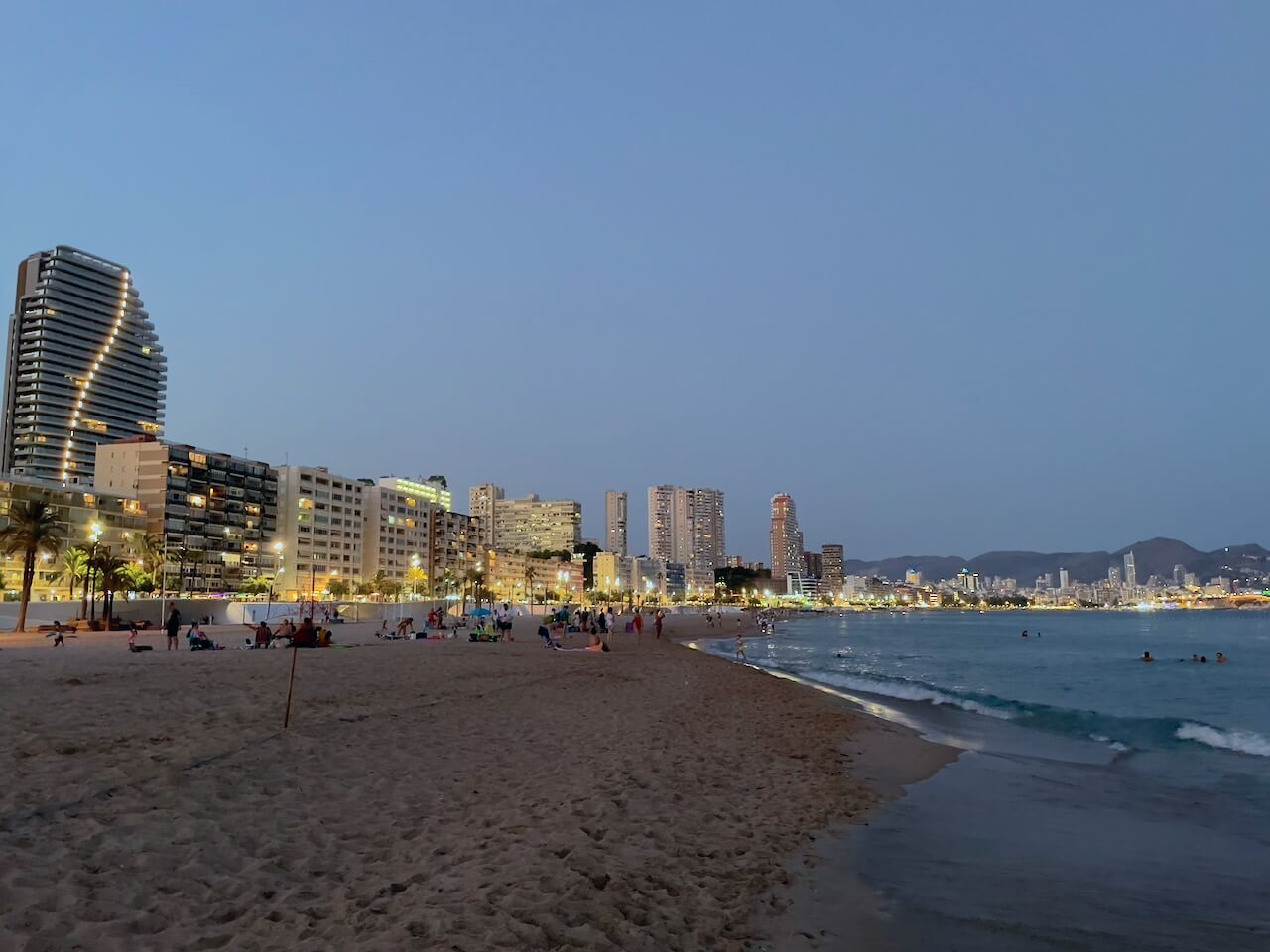
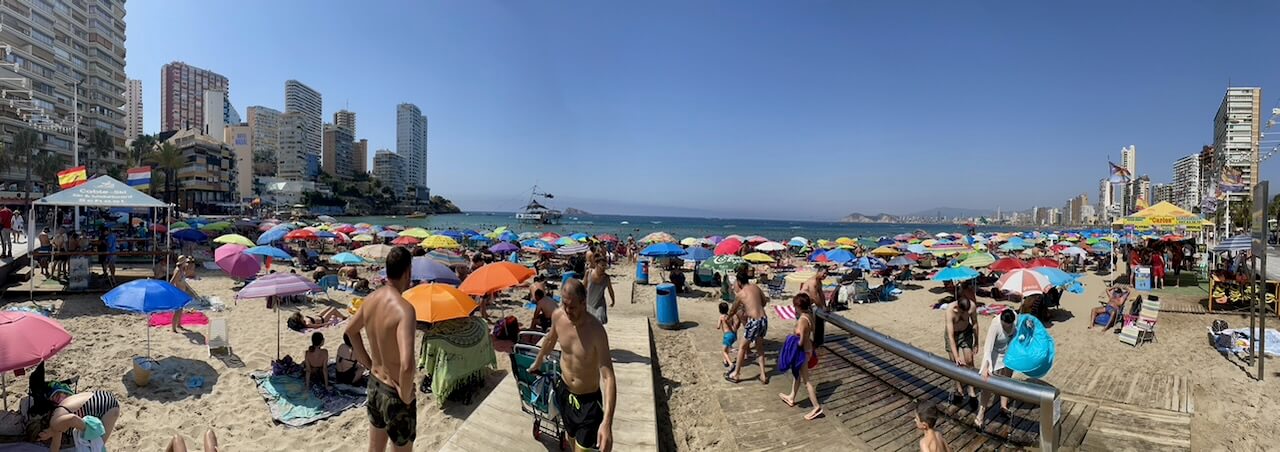
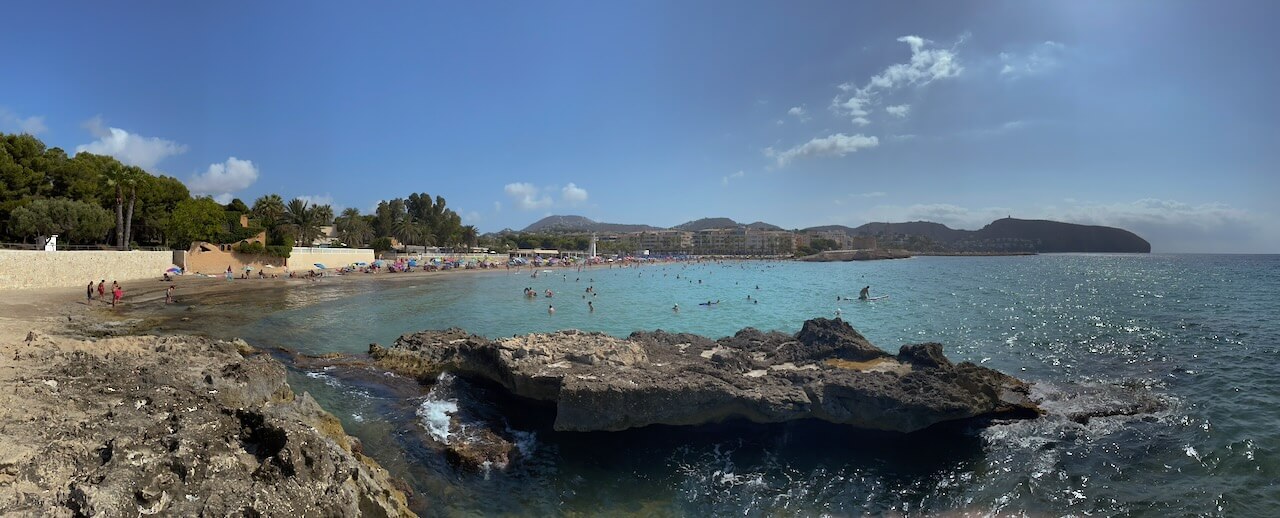
Benidorm in June felt like a beach resort that had accidentally overslept through its own party. The skyscrapers were still standing tall and confident, like they hadn’t gotten the memo about the apocalypse, but down on the beach everything was quieter, slower, and strangely polite. The sea was doing its usual impressive blue thing, completely unbothered by global events, while humans tiptoed around it like guests who weren’t sure if they were allowed to stay. Sunbeds were spaced out as if they’d had an argument, beach bars whispered instead of shouted, and every cough anywhere within a kilometer triggered a full-body paranoia scan. Walking along the shore felt oddly cinematic — palm trees, warm sand, a perfect horizon, and just enough people to remind you this wasn’t a dream, just a very weird chapter of reality. It was a vacation with sunscreen, masks, and the constant feeling that you were doing something slightly illegal, even though you absolutely weren’t. And somehow, that made the sunsets better, the swims calmer, and the memories stick a little harder.

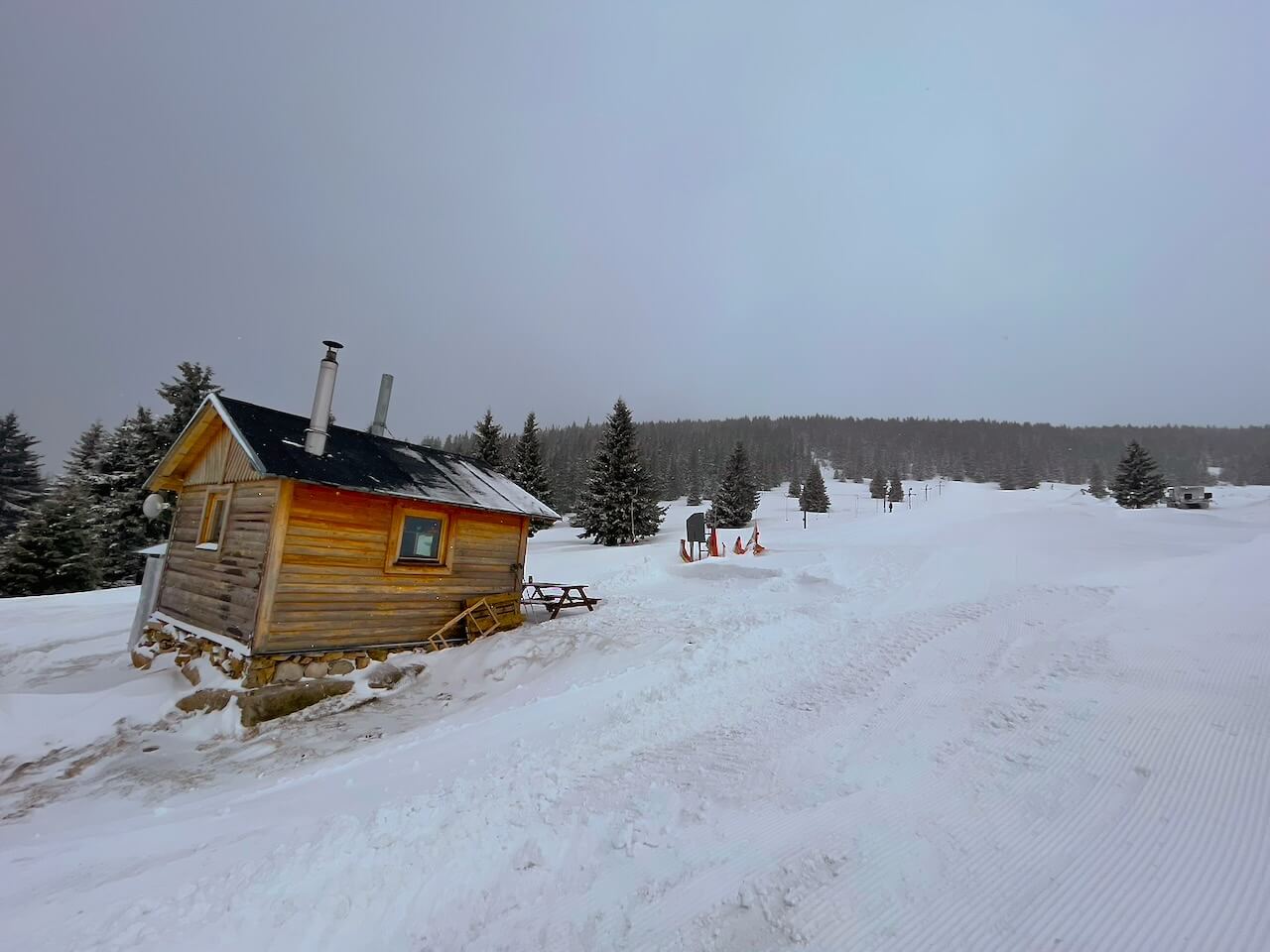
Frozen Turns and Slow Steps Around Lipno

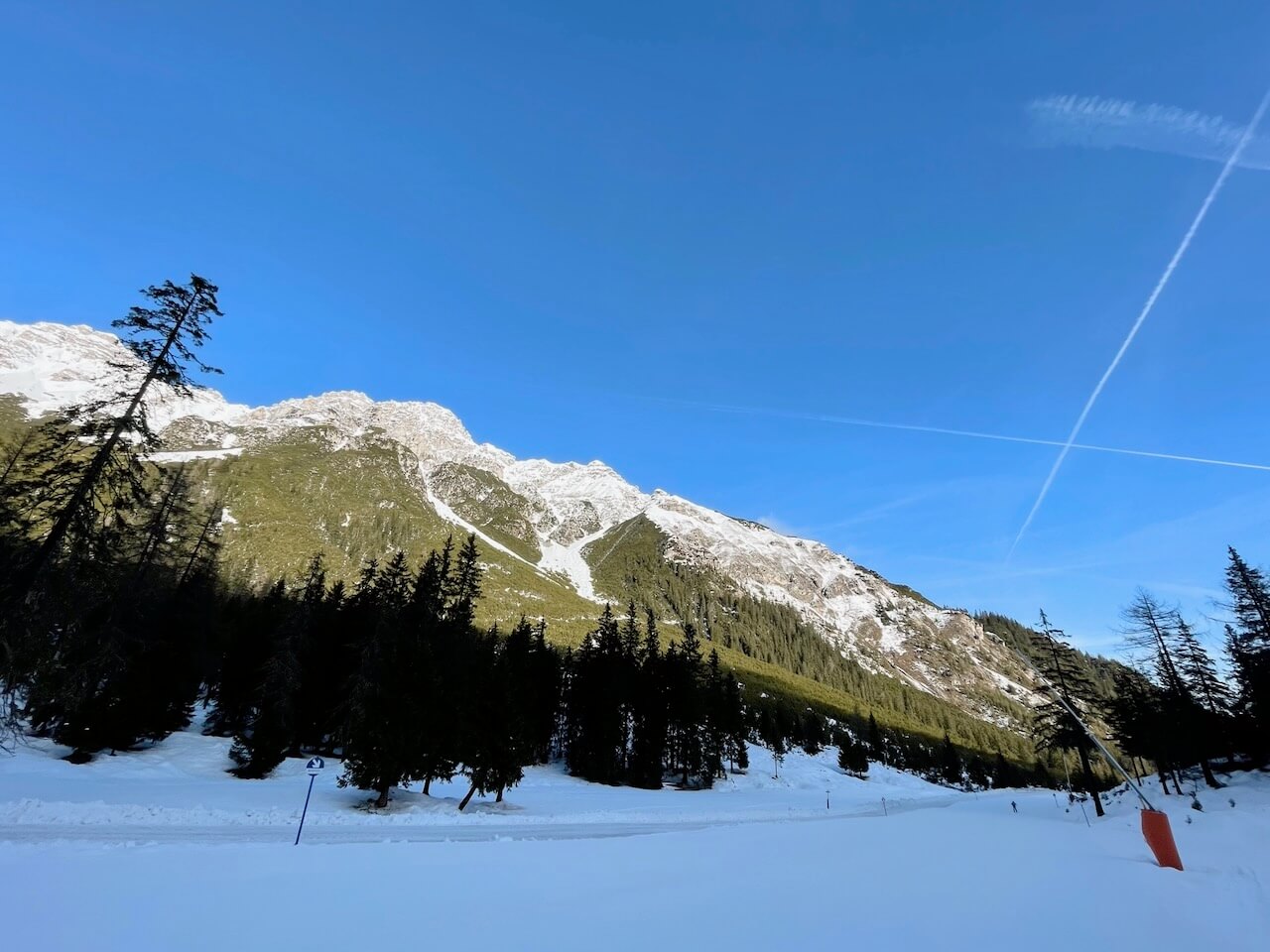
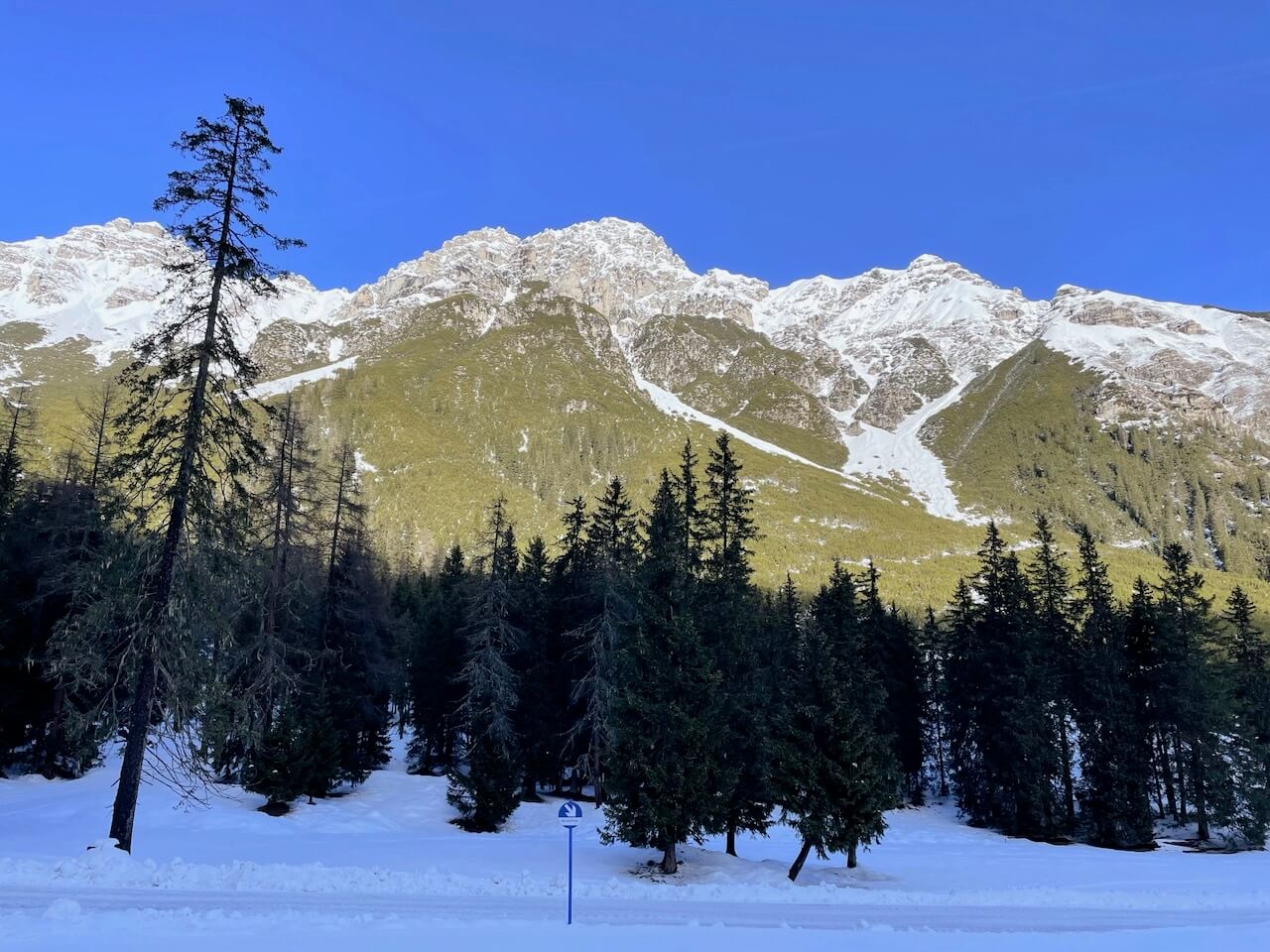
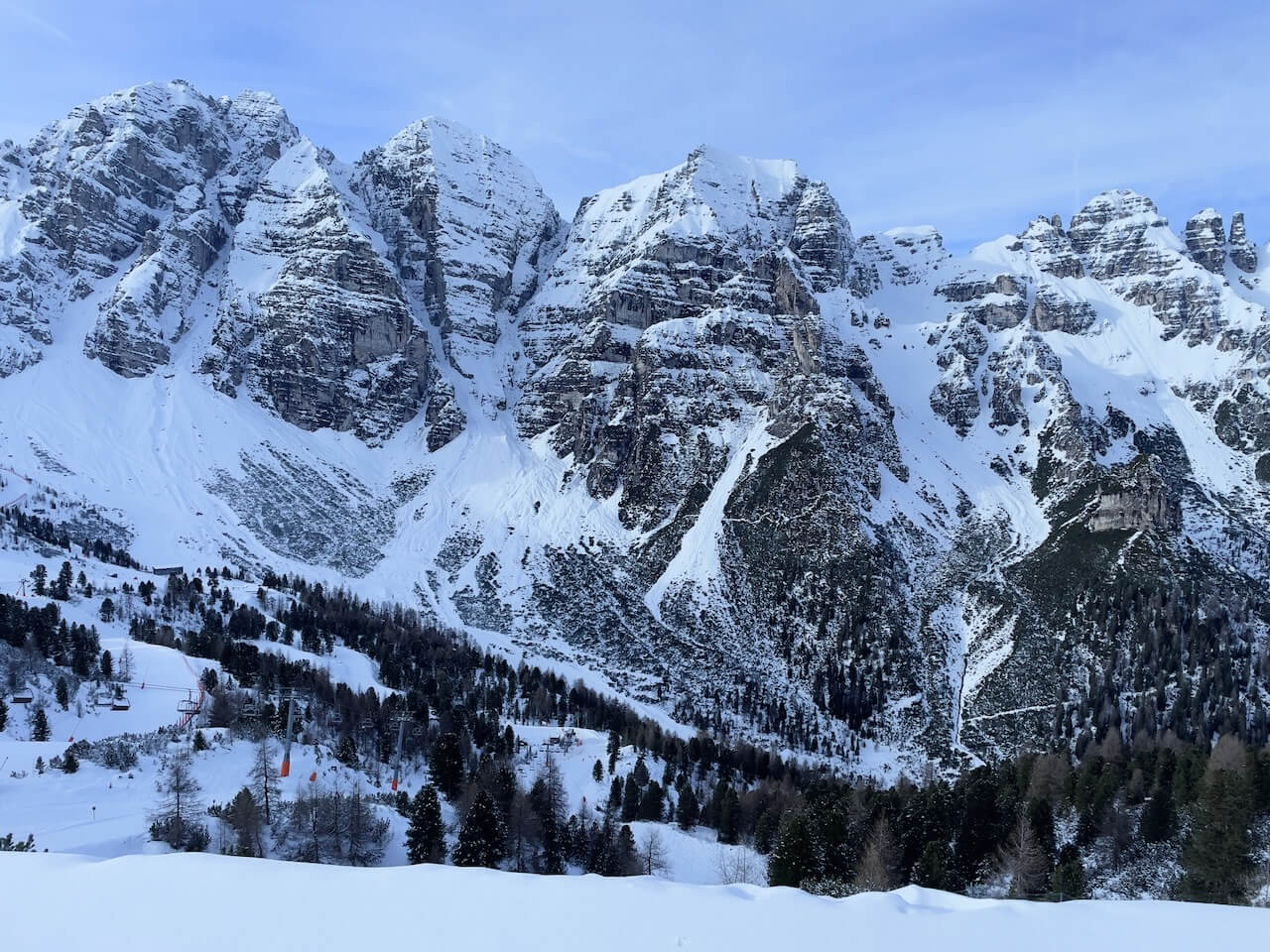
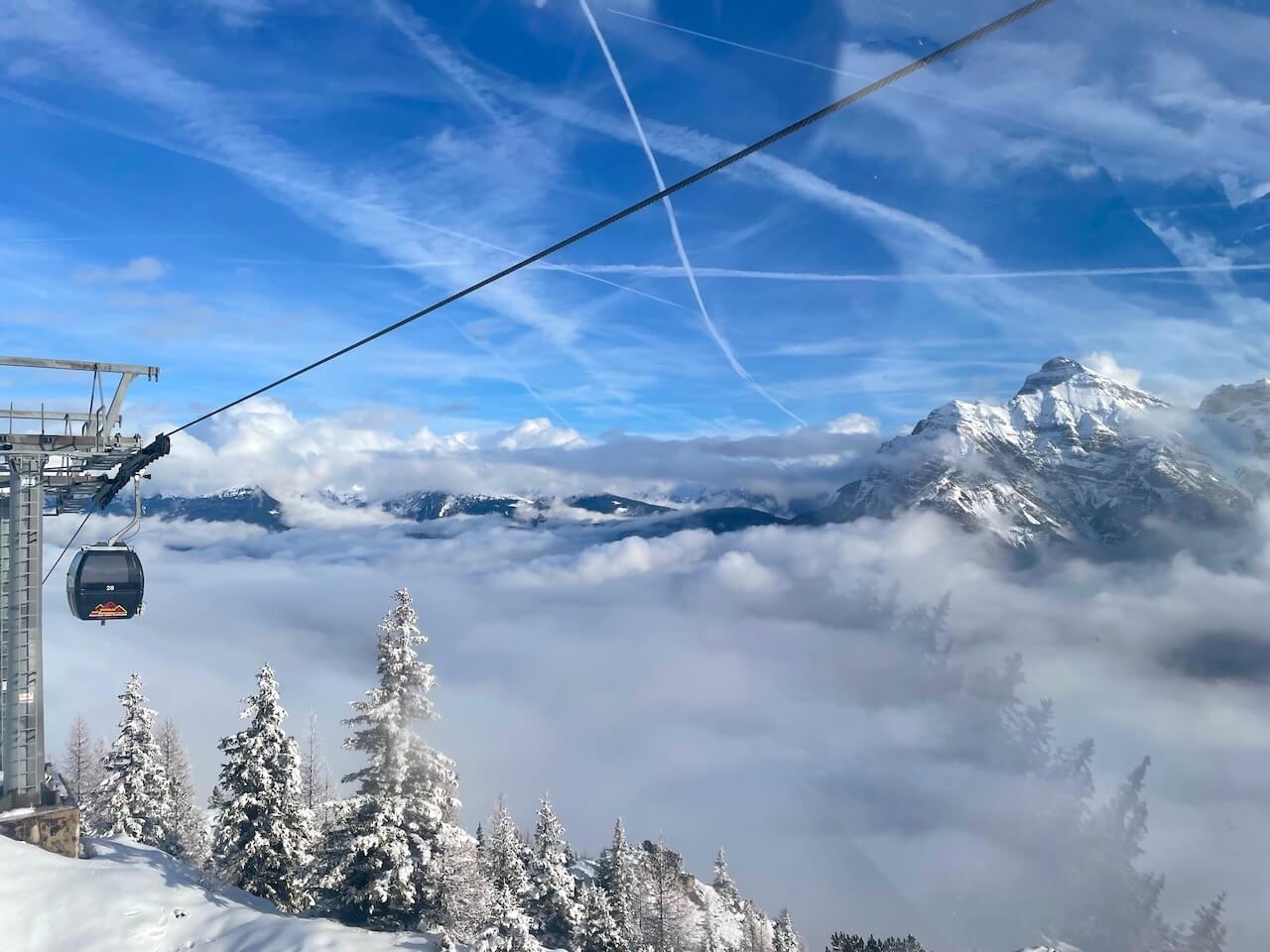
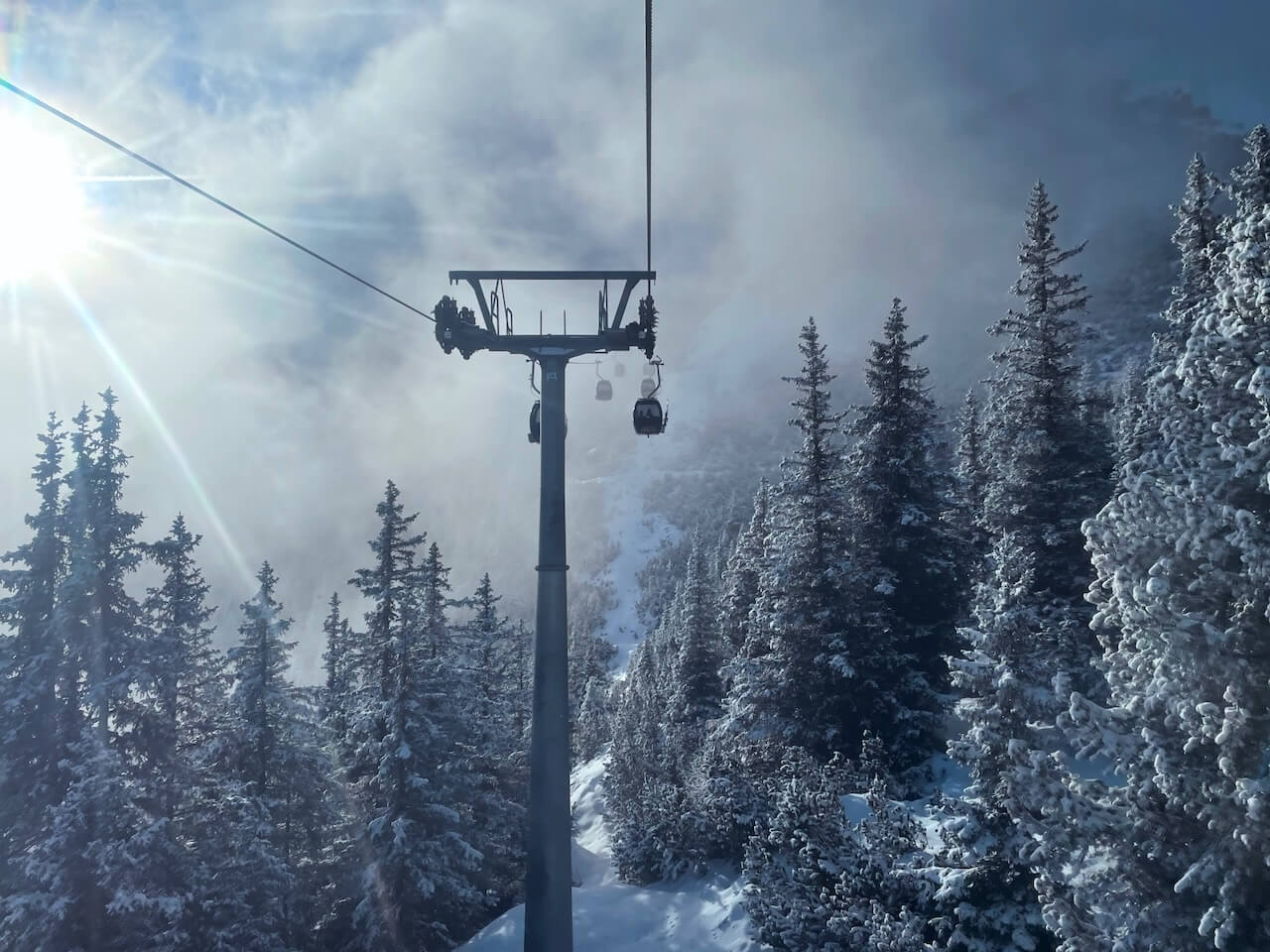
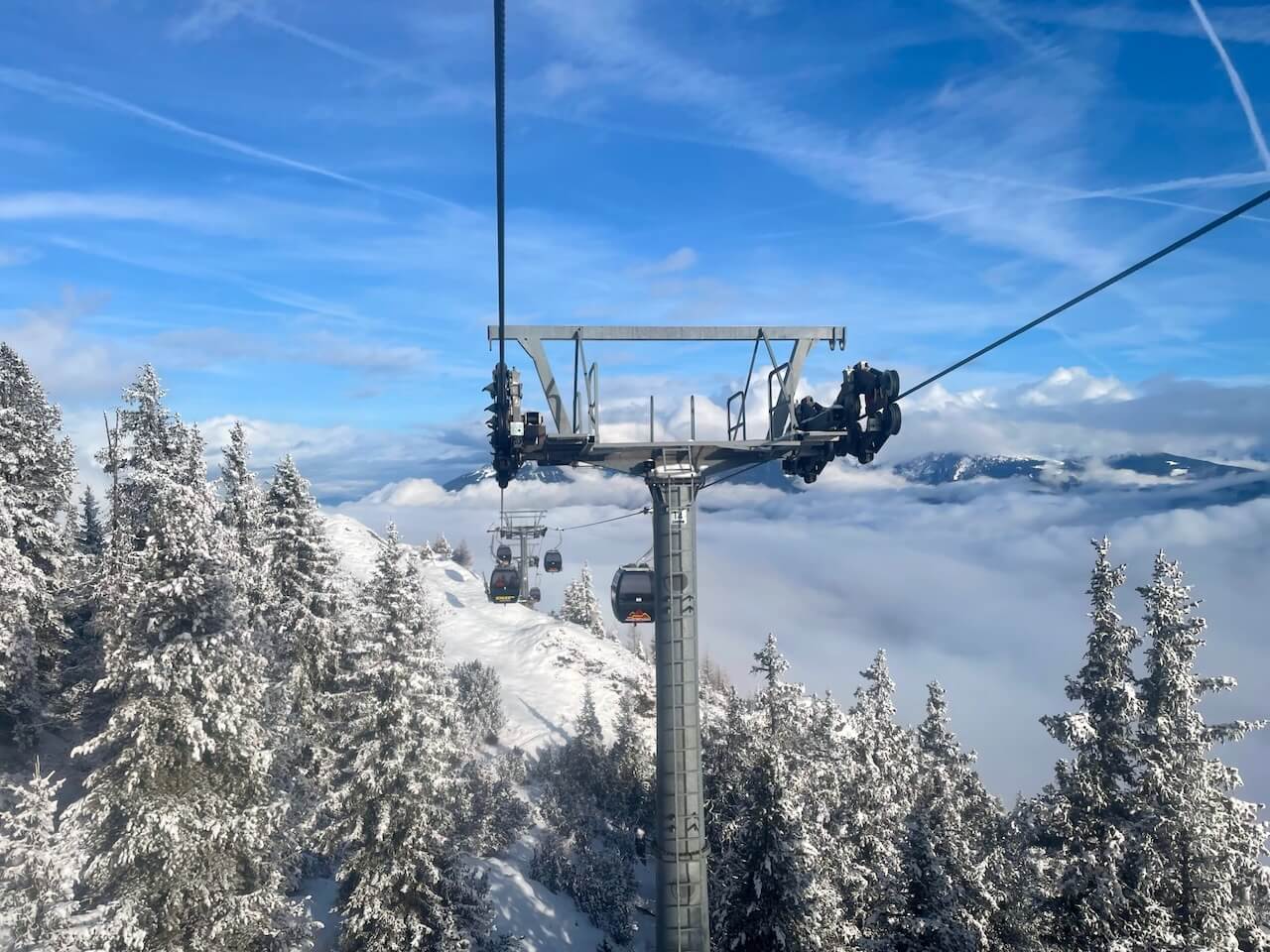
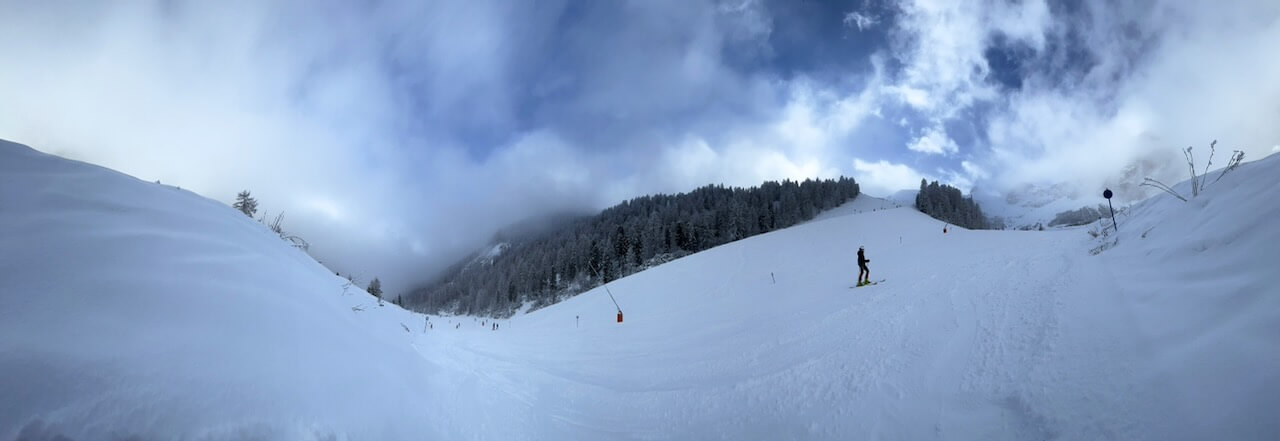
Lipno welcomed us on January first the way only a proper winter resort can: with blue skies, suspiciously perfect snow, and that quiet confidence of a place that knows you’ll eventually fall over anyway. The chairlift hummed above us like a patient therapist, carrying people uphill while they silently questioned their life choices. Snow cannons blasted clouds of icy mist across the slope, working overtime like overcaffeinated dragons determined to keep winter alive, no matter what the calendar said. From the lift, everything looked peaceful and cinematic. Up close, it smelled faintly of wet gloves and determination.

Snowboarding started with the usual optimism. Everyone looks cool standing still, especially when the sun is low and the mountains pretend they’re Alps. The moment you start moving, though, gravity becomes very personal. Kids zipped past with the reckless confidence of people who heal fast, while adults negotiated every turn like it was a business contract. Somewhere between avoiding a snow cannon’s icy breath and untangling myself after a graceful fall that definitely impressed no one, I remembered why I love places like this. It’s cold, it’s exhausting, and somehow it makes you laugh more than most summer holidays ever could.

Later, we traded boards for boots and went wandering around Lipno Lake, which was half frozen and completely unapologetic about it. The ice stretched out like a giant white table, cracked and textured, reflecting the sky in soft pastel colors. People strolled along the shore, pushing strollers, holding hands, or staring thoughtfully at the horizon as if January first was a perfectly reasonable time for deep life reflections. Houses along the water looked warm and colorful, quietly judging us for not already sitting inside with tea and cake.

As the sun dipped lower, the world slowed down in that special winter way, where even conversations become softer. One person tested stones on the ice like a scientist with a deadline, while a metal statue nearby sprinted eternally toward something invisible, clearly more motivated than the rest of us. Fingers went numb, cheeks turned red, and everyone agreed it was probably time to head back, even though no one really wanted to say it out loud. Lipno had done its job: it gave us snow, laughter, tired legs, and that calm, slightly frozen happiness that only comes from spending a day outside together, doing absolutely nothing productive and enjoying every second of it.

Cambridge: Five Minutes of Science, Wind, and a Very Tired Bicycle

Boston greeted me with that special December shade of grey that makes even museums look slightly philosophical. I took a short walk around the Museum of Science, which from the outside feels less like a museum and more like a brick spaceship that landed next to a very busy road. Cars rushed by, school buses lined up, and the Charles River flowed calmly, clearly unimpressed by human ambition and architecture. Somewhere near the planetarium, a lonely dinosaur statue stared into traffic while a white bicycle, wrapped around a pole like a tragic modern art installation, silently judged us all. It was a brief walk, cold and unplanned, but exactly the kind of urban moment that makes you smile and pull your hands deeper into your pockets.

Schwetzingen: Where Castles, Friends, and Time All Slow Down

Schwetzingen greeted us the way a good friend does — with a calm smile, slightly raised eyebrows, and zero urgency. We arrived to meet old friends, which already puts any place at an advantage, but this tiny German town seemed determined to prove it deserved the affection on its own. The streets felt politely quiet, as if even the cars were whispering. People nodded at each other with the relaxed confidence of a town where nothing terrible has happened since at least Tuesday. Somewhere between the first handshake and the second coffee, it became clear that Schwetzingen runs on a different fuel: time, generously unburned.

The castle announced itself without shouting. Schwetzingen Palace isn’t the kind of place that slaps you with grandeur; it simply stands there, peach-colored and symmetrical, knowing full well you’ll come to it eventually. Walking toward it across the courtyard felt like approaching a perfectly framed postcard that had decided to become three-dimensional. Everything was aligned, balanced, and suspiciously photogenic, which made me instantly distrustful — no place should be this composed without hiding something. But no, it really is just that elegant, calmly clock-towered, and unapologetically neat.

Then there were the gardens, which clearly had a lot of free time and excellent funding. Endless paths stretched out like polite invitations to get lost, hedges stood trimmed with military discipline, and fountains whispered instead of splashing. We wandered without direction, which is the correct way to experience a place like this. One moment we were strolling down a grand avenue that felt designed for philosophical debates, the next we were staring at a stone ruin that looked ancient enough to dispense life advice. And just when the scenery started to feel classically European, the mosque appeared — pink, exotic, and utterly unapologetic about not matching anything else. Schwetzingen, it turns out, likes to keep you gently confused.
Somewhere between the gardens and yet another bench perfectly placed for contemplation, the day slowed to a crawl. Families passed by with children who weren’t glued to screens, couples sat quietly without performing romance for the public, and elderly locals walked with the confidence of people who know exactly where they’re going and see no reason to hurry. It was the kind of atmosphere that makes you question your own lifestyle choices. Why rush emails when you could be debating which garden path feels more poetic?

By the time evening crept in, Schwetzingen felt less like a destination and more like a shared memory. Friends, laughter, long walks, and that subtle sense that nothing needed to be improved — just appreciated. It’s a town that doesn’t try to impress you, which somehow makes it unforgettable. Schwetzingen doesn’t demand attention; it earns it quietly, one calm moment at a time. And honestly, I could get used to that.

Nanchang in VR: A Glimpse of the Future and a Taste of the Real

Nanchang wasn’t just another stop on my work calendar this time – it felt like a sneak peek into the future. I came here for the 2019 VR/AR Application Exhibition, and the first impression didn’t disappoint. The expo center itself looked like something out of a sci-fi movie: all glass, curves, and reflections, as if it was designed by someone who lives in the year 2050. Walking through the gates under the giant VR letters, I could already feel reality bending a little.

Inside, it was a playground for tech lovers. VR headsets transported people to space, AR glasses turned simple walls into interactive art, and everywhere you looked, someone was waving their arms like a Jedi practicing lightsaber moves. It’s wild how these technologies blur the lines between what’s real and what’s digital. For a few hours, I wasn’t just visiting Nanchang – I was surfing virtual oceans, exploring galaxies, and building 3D castles in thin air. If this is the future, sign me up.

But step outside, and the city of Nanchang showed that it didn’t need VR to impress. When night fell, the skyline exploded in color. Bridges glowed red, skyscrapers pulsed in blues and purples, and the river mirrored it all like a giant LED screen. Walking along the waterfront, I felt like I had accidentally stayed in augmented mode – the lights were that surreal. This city knows how to put on a show, no headset required.

Of course, you can’t talk about China without talking about the food – and oh, did Nanchang deliver. Dinners turned into feasts: endless dishes spinning on the lazy Susan, flavors that hit every corner of the taste spectrum, and enough chili to make you question your life choices. Add a few bottles of baijiu to the mix, and suddenly strangers became teammates, teammates became friends, and the language barrier? Completely dissolved in laughter.

When it was time to leave, I realized this trip had been more than an expo visit. It was a perfect blend of tech dreams, vibrant nights, and human connections that no virtual world could replicate. Nanchang taught me something important: the future might be virtual, but the best moments will always be real.

Beijing: Dumplings, Dynasties, and Olympic Night Lights

Two days in Beijing sounded like a challenge, but it turned out to be an adventure packed with lights, flavors, and a lot of walking. The city welcomed me at night with a glowing spectacle at the Olympic Park. The Bird’s Nest and the Water Cube looked like two giants dressed up for a neon party, and I was just one more tourist trying to capture the magic with my phone. The streets were alive, people were taking selfies everywhere, and I stood there thinking, “This is Beijing? Okay, I’m impressed.”

The next day started with food. And in Beijing, that means hot pot. It looks innocent enough—boiling broth, fresh meat, vegetables—but don’t be fooled. The spice level made me sweat like I was running a marathon. I thought “medium spicy” was safe, but apparently, my definition and Beijing’s definition don’t match. Still, it was an experience: the kind where you can’t stop eating even though your lips are on fire. A couple of local beers helped me survive.

The Forbidden City was next, and if hot pot was the fire test, this was the endurance one. That place is endless. Gate after gate, courtyard after courtyard, and people everywhere, all trying to get the perfect photo with the same red walls and golden roofs. It’s beautiful, no question about that, but after a while, you start wondering if the emperors built extra gates just to mess with people. At one point, I joined a tour group for a few minutes. I didn’t understand a word, but I nodded like a professional historian. It felt right.

The rest of my short trip was a mix of wandering through old hutongs and stumbling upon modern coffee shops that wouldn’t look out of place in Europe. One moment I was in a narrow alley full of rickshaws and street food smells, and the next I was sipping a latte in a café that probably has its own Instagram filter. That’s Beijing for you—a city that throws history and modern life at you all at once and somehow makes it work. Two days weren’t nearly enough, but it was just enough to make me want to come back.

Essex, MA Boat Trip – Margaritas, Sand, and Sea Tales

There’s nothing quite like a summer day on the water, especially when Essex, MA decides to turn up the charm. July 2019 saw me setting sail (okay, more like casually motoring) through the salty waters of this coastal gem. The sun was high, the breeze was just right, and the only real agenda was to soak up as much of it as possible. Sand found its way into every crevice of my belongings, but that’s the price you pay for adventure, right?

Of course, no proper boat trip is complete without refreshments, and what better fuel for a seafaring soul than an ice-cold Margarita? With a perfect balance of lime, tequila, and questionable decision-making, it became clear that the best way to navigate the waters of Essex was with a drink in one hand and a salty breeze in the other. Somewhere between sips and steering, I may have slightly overestimated my boating prowess—but hey, what’s a trip without a few “learning moments”?

As the sun began to dip, there was only one logical move left: an evening stop at Shea’s Riverside Restaurant & Bar. Nothing beats the combination of waterfront views, good company, and a cocktail menu that demands attention. Sitting by the water, sipping something strong, and watching the last golden rays dance on the river, it was the kind of summer night you wish you could bottle up and take home.

Boston, MA: A Wasteland of Wonders

Greetings, fellow wanderers! Gather ‘round and let me regale you with tales from my recent journey to the marvelous, slightly less radioactive Boston, MA. Yes, dear readers, I braved the wilds of this historic city, armed with nothing but a map, a camera, and my extensive knowledge of Fallout 4. Join me as I navigate the cobblestone streets and irradiated landmarks of this beloved urban wasteland.

Boston Common: Deathclaws Not Included

First stop: Boston Common, the heart of the city and a staple in any wanderer’s itinerary. Unlike in Fallout 4, I was pleased to find the park devoid of Deathclaws and Super Mutants. Instead, it was brimming with tulips, happy dogs, and college students sprawled on blankets. I strolled through the park, half-expecting to find a hidden stash of Nuka-Cola under a bench. Instead, I settled for a hot dog from a vendor who looked suspiciously like Preston Garvey. “Another settlement needs your help,” he said. Just kidding, but the hot dog was top-notch.

Freedom Trail: Follow the Red Brick Road

Next, I embarked on the Freedom Trail, a journey that in Fallout 4 often involves dodging bullets and scavenging for loot. In 2019, however, it’s a delightful red-brick path leading to some of Boston’s most iconic historical sites. As I followed the trail, I couldn’t help but reminisce about all the times I’d sprinted down these very streets in-game, dodging ghouls and raiders. This time, the only thing I dodged was a flock of enthusiastic tourists.

Beacon Hill: Ghoulishly Charming

Beacon Hill was my next destination, and what a contrast it was! In the game, this area is crawling with feral ghouls, but in reality, it’s an upscale neighborhood with picturesque streets and gaslit lamps. I wandered the charming alleys, half-expecting to find Hancock lurking in a corner, but instead, I found a quaint coffee shop. Sipping my latte, I marveled at how this serene enclave once served as the backdrop for some of my most intense in-game firefights.

Old City Hall: No Synths Allowed

Old City Hall was another must-see. In Fallout 4, this building might house a secret Institute base, but in the real world, it’s a stunning architectural gem. As I stood on the steps, I imagined Nick Valentine by my side, sharing some detective wisdom. Alas, no synths here—just a group of schoolchildren on a field trip, probably plotting to overthrow their teachers.

Old South Meeting House: Minutemen Approved

Next on the agenda was the Old South Meeting House. This historic site played a pivotal role in the American Revolution and, in Fallout 4, serves as a reminder of Boston’s rich history amidst the chaos. Inside, I joined a guided tour, imagining I was briefing my fellow Minutemen on our next mission. The guide’s detailed account of the Boston Tea Party almost made me forget I wasn’t actually in a post-apocalyptic world. Almost.

Old State House: A Capitol Experience

The Old State House was another blast from the past. In Fallout 4, it’s a haven for raiders, but in 2019, it’s a beautifully preserved symbol of Boston’s heritage. As I stood in the balcony where the Declaration of Independence was first read, I couldn’t help but think of my many in-game battles to liberate this very spot. No gunfire here, though—just awe-inspiring history.

Quincy Market: Mutfruit and Mac ‘n Cheese

Quincy Market was a culinary adventure waiting to happen. In the game, food is often scarce and irradiated, but in real life, I feasted on clam chowder, lobster rolls, and an array of pastries that would make Codsworth proud. I even spotted a store selling Nuka-Cola-themed merchandise. If only the vendors accepted bottle caps!

Holocaust Memorial: Solemn Reflections

The New England Holocaust Memorial offered a somber contrast to the rest of my trip. In Fallout 4, Boston’s landmarks often evoke a sense of loss and reflection, and this memorial was no different. The six glass towers, representing the six million Jews who perished, brought a tear to my eye. It was a poignant reminder that some histories are more haunting than any game could depict.

USS Constitution: Anchors Aweigh

One cannot visit Boston without paying homage to the USS Constitution, affectionately known as “Old Ironsides.” In Fallout 4, this majestic ship is comically perched atop a building, manned by a crew of loyal robots. The real-world version, however, remains securely docked in the Charlestown Navy Yard. Stepping aboard, I half-expected to be greeted by Captain Ironsides himself, ready to set sail for the Commonwealth skies. Instead, I found knowledgeable guides who regaled me with tales of the ship’s storied past. As I explored the deck and gazed at the cannons, I marveled at how this piece of living history continues to inspire awe, much like its game counterpart.

Bunker Hill Monument: A Towering Tribute

No trip to Boston would be complete without a visit to the Bunker Hill Monument. In Fallout 4, this towering obelisk serves as a strategic vantage point in the battle-ravaged landscape. In 2019, it’s a serene monument to the bravery of those who fought in the Battle of Bunker Hill. Although I didn’t climb the 294 steps to the top, I stood in awe at the base, appreciating the monument’s grandeur. The surrounding park offered a peaceful respite, perfect for reflecting on the historical significance of this landmark. I imagined my character scaling the heights in-game, but in reality, I was content to soak in the atmosphere and let the monument’s towering presence speak for itself.

The Paul Revere House & Old North Church: Patriots and Pip-Boys

My journey ended with a visit to the Paul Revere House and Old North Church. In Fallout 4, these sites are iconic locations teeming with lore. In 2019, they’re beautifully preserved relics of America’s fight for independence. As I stood in the church, I imagined lighting a lantern to warn of incoming raiders—British, not Brotherhood of Steel. The Paul Revere House was equally captivating, though I was slightly disappointed to find no hidden stash of caps.
Boston in 2019 may not be a post-apocalyptic wasteland, but it’s a city that beautifully blends its rich history with a touch of video game magic. My journey through these iconic sites was a delightful reminder that adventure can be found in both the real world and the digital one. So whether you’re a Sole Survivor or just a curious traveler, Boston awaits with open arms and a fascinating story at every turn.
Earlier Ctrl + ↓